Why Anti-Aging is the Ultimate Health Secret
อ่านต่อ →
The confidence and drive that once powered your life can falter when you’re faced with erectile dysfunction. Many people assume it’s simply a part of aging they have to accept. In reality, your body may be trying to tell you something. Design Wellness explains the hidden root causes behind it, so you can break through this limitation, regain your youthful energy, and enjoy life with renewed vigor and vitality.

Erectile dysfunction (ED) is the inability to get or keep an erection firm enough or long enough. It isn’t simply a result of getting older. It’s an indicator that your circulation and internal hormone balance aren’t working as they should. Dismissing it as just a normal part of aging or a bedroom issue could mean missing an important opportunity to prevent hidden chronic disease and restore your health.

The reason erectile dysfunction is so often linked to chronic disease is that it’s an early warning sign sent straight from your cardiovascular system. Because the blood vessels in the penis are much smaller than the arteries that supply the heart, any damage or early blockage shows up clearly as reduced sexual performance before problems appear in the larger blood vessels.
The main reason blood can’t reach the extremities in sufficient amounts begins when the inner walls of the arteries lose their elasticity and fat builds up into plaque, a condition known as atherosclerosis. This gradually narrows the space inside the blood vessels, which directly affects the penis, since an erection depends on blood filling the tissue. When blood flow is restricted, performance drops noticeably. This is why damaged blood vessels so often show up first as erectile dysfunction. Key factors that speed up this process include:
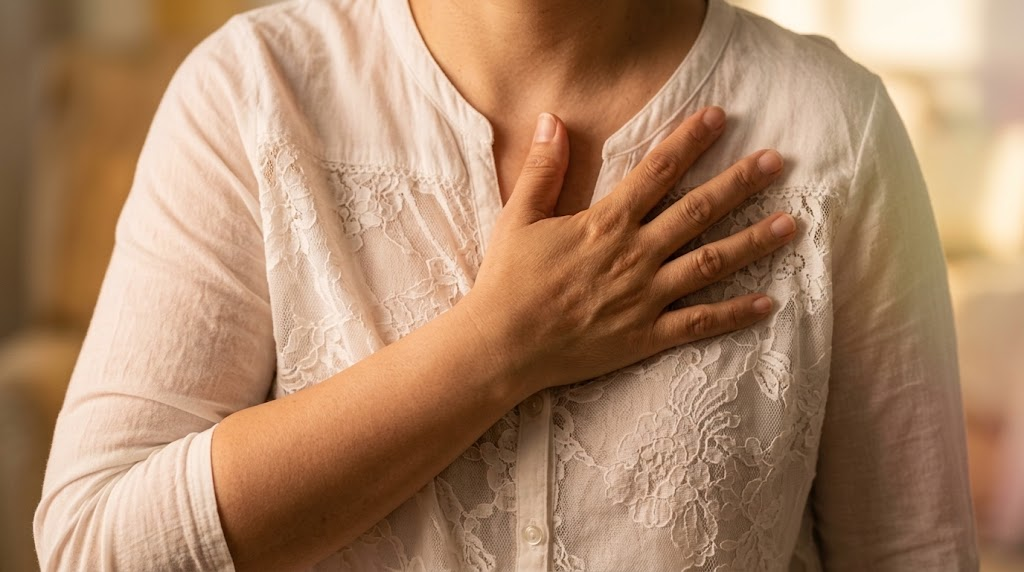
The reason erectile dysfunction often appears before heart disease comes down to “blood vessel size.” The arteries that supply the penis have a much smaller diameter than those that supply the heart, making them more vulnerable to damage and blockage. As a result, ED often serves as a warning sign years before chest pain or other signs of heart disease appear.
Research has found that when these symptoms occur in men under 50 without a clear cause, it’s considered a sign of a high hidden risk of heart disease, because the two conditions share the same starting point and the same risk factors:
For this reason, doctors recommend that anyone with unexplained erectile dysfunction also be screened for heart and blood vessel health.
Beyond damaged blood vessels, low testosterone is another important piece of the puzzle that’s often overlooked. Although low hormone levels don’t always directly interfere with the mechanics of an erection, medical evidence shows that testosterone has a much greater influence on “sex drive.” Men with falling testosterone may not experience erectile dysfunction directly, but lower hormone levels can indirectly affect sexual performance in several ways.

Men aren’t the only ones who face this problem. Women experience sexual decline as well. During menopause, falling levels of estrogen and testosterone affect blood flow and genital tissue in much the same way they do in men. This condition is known as female sexual dysfunction. Although it’s rarely talked about, it has just as much impact on quality of life.
Vaginal dryness is mainly caused by falling estrogen levels, which change the structure of the cells and tissue in that area. Natural lubrication decreases as a result, leading to discomfort. Physiologically, this mechanism is similar to what happens in men, when less blood reaches the genital tissue and the body’s response changes. Although symptoms differ between the sexes, the true root cause in both reflects the same decline in circulation.

Declining hormones directly affect sexual responsiveness. Many women find it harder to become aroused and feel less sensitive to touch than before, as a result of changes in both estrogen and testosterone. However, hormones aren’t the only factor that lowers sex drive at this stage of life. Other contributing factors include:
Care should therefore take a holistic view that covers both hormone balance and lifestyle changes together, rather than focusing on just one issue, for lasting results and a true return of vitality.
Your daily habits are a major factor that can cause your blood vessels and hormone balance to deteriorate faster than they should. Medical data shows a clear link between obesity, a sedentary lifestyle, and sexual dysfunction, because these factors speed up blood vessel damage in both men and women. Habits to watch out for include:
The good news is that these habits can be changed, and there’s evidence that making serious lifestyle changes can genuinely help restore healthy blood vessel function.

Recovery that truly works has to address the root cause, not just temporarily manage the symptoms. A science-based approach to health focuses on in-depth assessment of your body alongside systematic lifestyle changes. The key elements of lasting recovery include:

At Design Wellness, we believe healthy sexual function is one of the clearest reflections of a strong body and mind. Erectile dysfunction in men, or sexual dysfunction in women, is nothing to be embarrassed about and not something you simply have to accept with age. Instead, it’s an “opportunity” to listen to your body’s warning signs and begin restoring your health right down to the root cause.
Lasting solutions that restore your youthful energy can’t rely on quick fixes alone. They require “designing” your health anew, from a holistic perspective. Under the close care of Dr. Wimlak Suedee (Dr. Wim), a physician with more than 22 years of experience in integrative health, your body is assessed in detail to pinpoint the root cause of the problem. Your care focuses on restoring healthy blood flow, rebalancing the hormones your body has been missing, and making informed lifestyle changes in nutrition, sleep, and stress management, so every system in your body can work together in harmony without relying on temporary fixes.
Don’t let aging or misconceptions rob you of your confidence and energy for life. Listening to what your body is trying to tell you and starting to care for yourself from within today is the key to breaking through your limits, restoring your vigor, and living every day to the fullest once again.