Why Anti-Aging is the Ultimate Health Secret
อ่านต่อ →
Ever wondered what causes insomnia, especially when your body is utterly exhausted but your mind stays wide awake all night? Insomnia doesn't just rob you of your energy in the morning; over time, it also quietly wears down your health and your immune system.
Understanding the real root cause is the key to getting a full, restful night's sleep again. In this article, Design Wellness takes a deep dive into everything that disrupts sleep, along with ways to reclaim truly restorative nights.
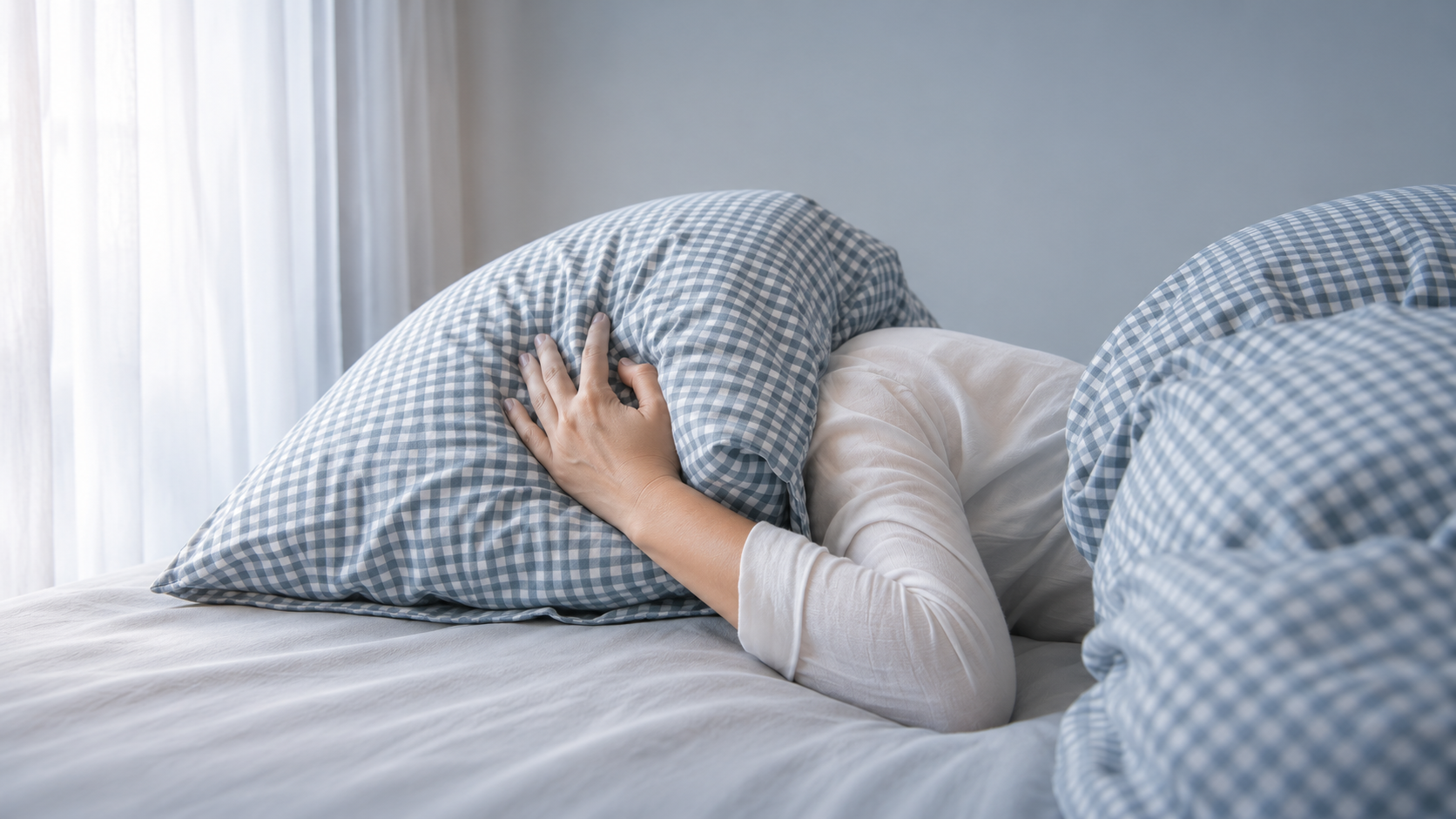
Insomnia is considered abnormal, and classified as "chronic insomnia", when symptoms occur at least three nights a week for more than three months and affect how you function during the day.
This is different from short-term insomnia, which lasts only a few days or weeks, such as before an exam or after traveling across time zones, and usually improves once the situation passes. Check how often you experience the following:
Around 30–36% of adults experience at least one of these symptoms, but only about 6–10% meet the criteria for a diagnosis of insomnia disorder. If your symptoms sound chronic, that is an important signal from your body, and it's worth getting to the root of it.
Finding the real root cause is at the heart of restoring your health, because the hidden causes of insomnia differ from person to person. Letting the problem drag on without knowing why can affect other systems in your body. Take a look at which of these factors might be stealing your peaceful nights.
Stress is the number one suspect, keeping your brain busy even after your body has gone to bed. This state of hyperarousal isn't just in your head; it affects your body directly. Studies have found that people with chronic insomnia tend to have noticeably higher levels of the stress hormone cortisol than the general population.
Mental health conditions such as anxiety and depression also tend to create a vicious cycle: the more stressed you are, the harder it is to sleep, and the less rest you get, the worse you cope with stress. Ongoing chronic stress also directly suppresses the immune system, leaving your body weaker and more prone to illness.
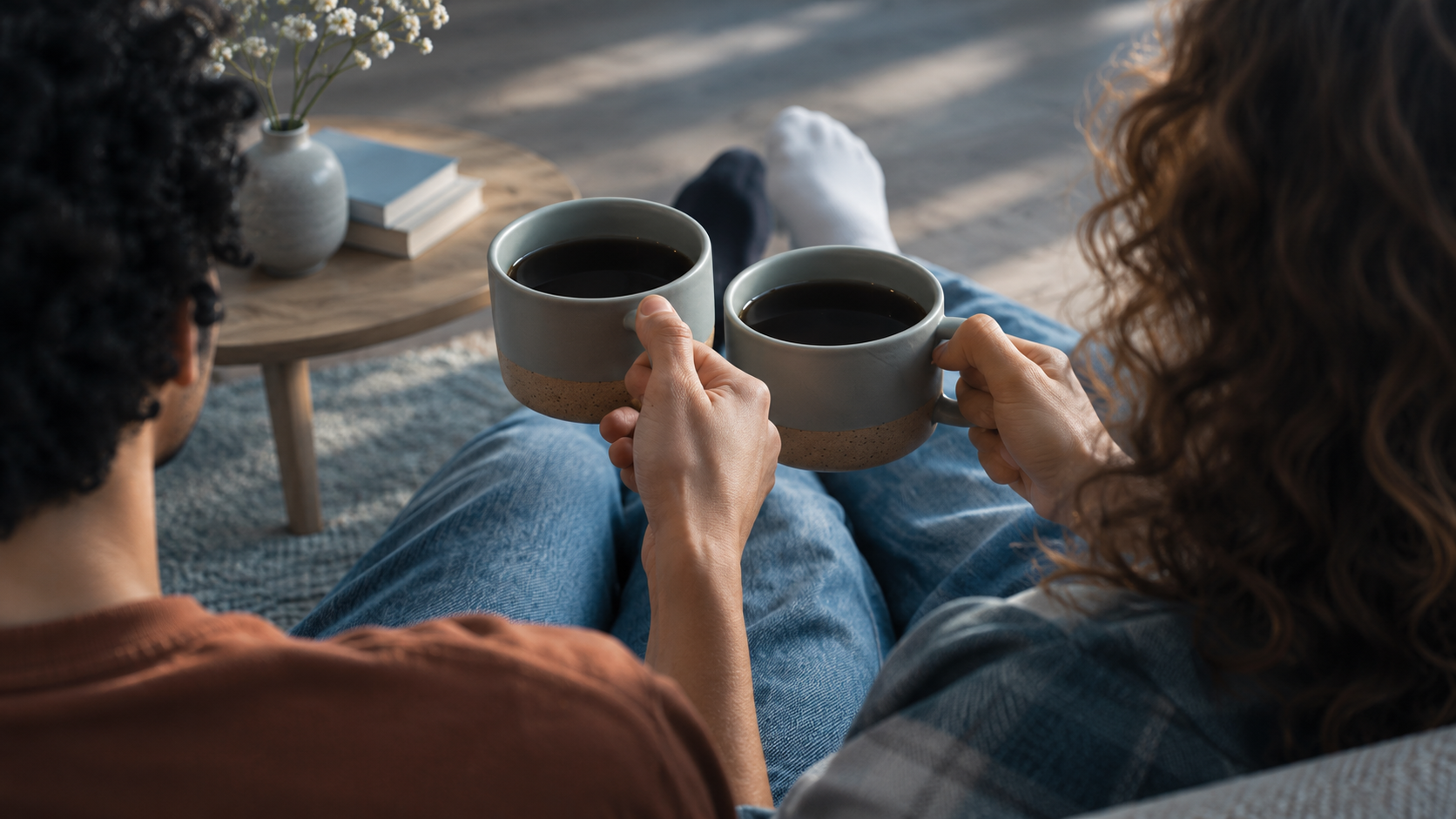
That favorite drink you reach for to perk yourself up could be quietly stealing your sleep at night. The most obvious example is caffeine in coffee, tea and chocolate. One experiment found that consuming 400 milligrams of caffeine as much as six hours before bed cut total sleep time by about an hour, which is a surprisingly large effect. Nicotine is another stimulant that disrupts sleep in the same way.
Many people also believe that alcohol helps them sleep better, but in reality it prevents you from reaching deep sleep, causing you to wake during the night and leaving you less rested. On top of that, some medications, such as antidepressants and blood pressure drugs, may have side effects that disrupt your sleep cycle. If you suspect your medication may be playing a role, talk to your doctor and never stop taking it on your own.
Your body has a biological clock (circadian rhythm) that determines when you should be awake and when you should feel sleepy. But when that clock is reset too often, whether through jet lag, shift work or going to bed and waking up at different times every day, especially sleeping in for hours on weekends, your body becomes confused about whether it's day or night.
There are also habits many people overlook, such as eating a heavy meal close to bedtime, which can cause bloating and heartburn that make it hard to sleep comfortably, taking overly long naps during the day, or doing highly stimulating activities before bed. All of these are hidden factors that gradually throw your body's sleep rhythm off balance without you realizing it.
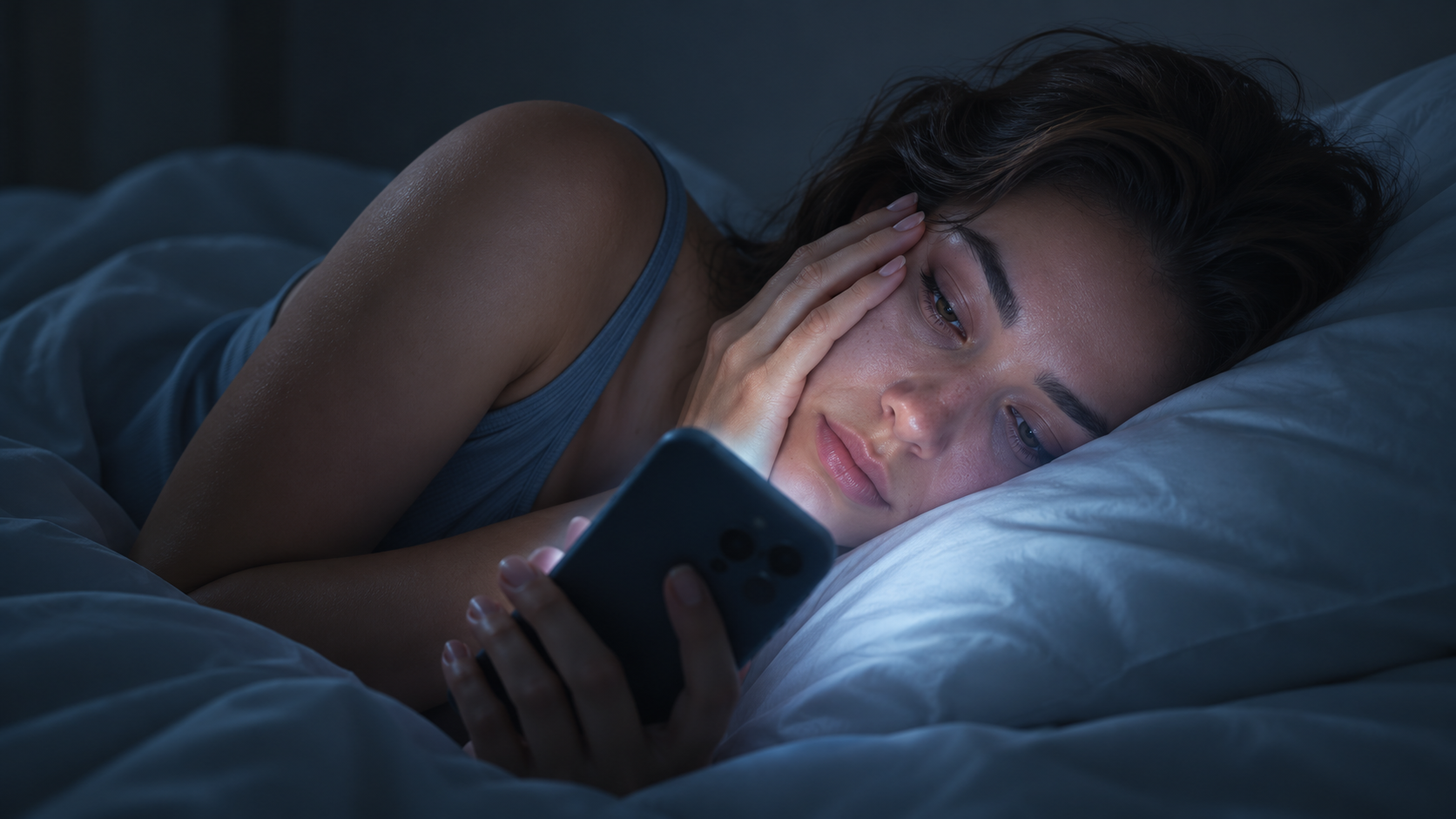
Light is the most powerful signal for setting the body's internal clock, especially the blue light from smartphone and tablet screens or LED bulbs, which often sends the wrong signal at the wrong time. One study compared 6.5 hours of exposure to blue light and green light of similar brightness and found that blue light suppressed the sleep hormone melatonin for twice as long as green light.
Exposure to bright light like this can also delay your biological clock by as much as three hours. Scrolling through social media before bed effectively tricks your brain into thinking it's still daytime, keeping your nervous system alert and preventing you from fully entering deep sleep.
Sex hormones are another important factor that puts women at higher risk of insomnia than men. Data show that as many as 46% of premenopausal women and around half of menopausal women have sleep problems, caused by falling estrogen levels that trigger hot flashes at night.
Lower progesterone levels are also linked to breathing irregularities and more frequent night waking. Beyond sex hormones, thyroid disorders are another physical condition that can severely disrupt sleep.
Sometimes insomnia isn't the main problem but merely a "symptom" of a hidden condition, such as diabetes, heart disease, acid reflux (GERD) or neurological disorders. Pain or difficulty breathing can pull you out of deep sleep throughout the night.
In particular, if you snore loudly, or your partner notices that you stop breathing for periods and wake with a start gasping for air, see a doctor as soon as possible. This may be a warning sign of sleep apnea, which should be checked promptly.
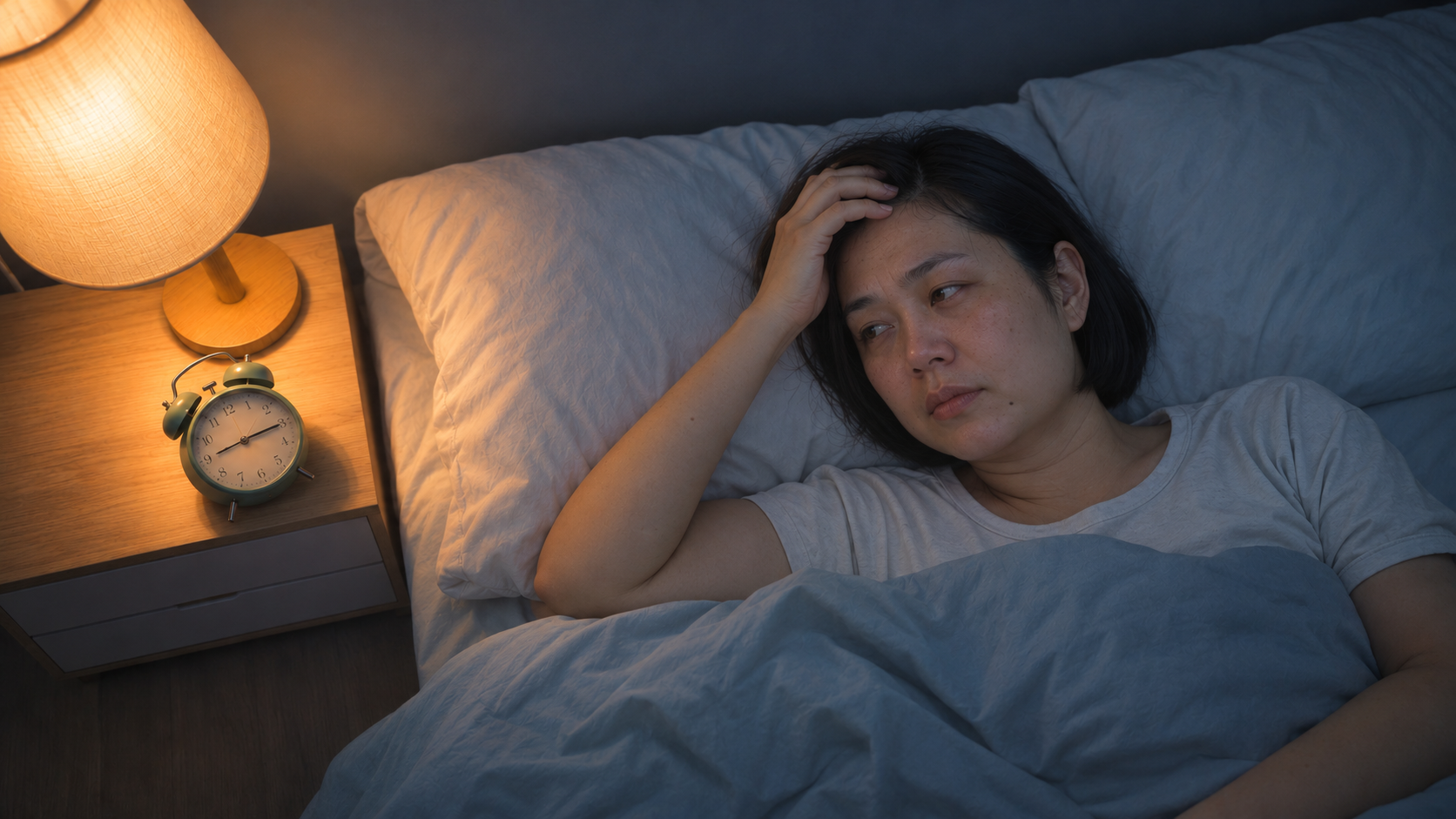
When they can't sleep, many people try to force themselves to, but that is a trap that only pushes deep sleep further away. Natural sleep depends on the nervous system shifting from alert mode into relaxation mode. The moment you pressure yourself to fall asleep, your brain switches into task mode and anxiety sets in. The harder you try, the more awake you become.
The problem becomes even more entrenched when you lie awake trying to sleep night after night, because your brain learns to associate the bed with frustration rather than rest. On top of that, many people unknowingly fall into habits that make their sleep cycle worse, such as staying in bed when they're not sleepy, going to bed early or sleeping in to make up for lost sleep, which throws off the body clock, and taking long afternoon naps. All of these reduce the sleep pressure that should be building up for nighttime.
The solution, then, isn't to try harder but to let go in a structured way. If you haven't fallen asleep within 15–20 minutes of lying down, don't force it. Get out of bed and do something relaxing in dim light, such as reading or listening to soft music, and only return to bed when you feel truly sleepy. This helps erase the wrong associations and retrains your brain to link your bed with genuine rest once again.
When basic lifestyle changes don't work, relying on sleeping pills may only treat the symptoms and carries long-term risks. Getting to the bottom of chronic sleep problems requires in-depth medical testing to pinpoint exactly which mechanism in the body isn't working properly.
Today, the international gold standard for diagnosis is a sleep quality assessment (Sleep Test), which monitors your body in detail while you sleep, including brain waves (EEG) to track light and deep sleep cycles, heart rate, blood oxygen levels, and even body movements and muscle twitches.

After a thorough assessment, these in-depth insights help pinpoint exactly what is causing your insomnia, such as sleep apnea, periodic limb movements during sleep or abnormal brain wave patterns, so the problem can be addressed at its root cause.
At Design Wellness, you'll receive close, personal care from Dr. Wimlak Suedee (Dr. Wim), an anti-aging medicine specialist with more than 22 years of experience in integrative healthcare. Dr. Wim analyzes your test results in depth to uncover the true root cause of your sleep problems and lack of rest.
She then designs a comprehensive, personalized recovery plan, from adjusting your nutrition and supplementing vitamins and nutrients to fill any gaps, to lifestyle changes that help reset your nervous system. This close, ongoing care not only helps you sleep soundly again and keeps the problem from coming back, but also restores your energy and vitality and builds lasting health balance for the long term.