Why Anti-Aging is the Ultimate Health Secret
อ่านต่อ →
Your immune system protects you from germs and other foreign substances. But over time, it can start to lose its effectiveness, leaving many people wondering why they seem to catch everything lately and take longer than usual to recover. These symptoms aren't a coincidence or just in your head. They're a biological mechanism through which your body is quietly trying to tell you that something isn't right.
If you're dealing with unexplained fatigue or minor illnesses that keep coming back, Design Wellness will help you decode the hidden warning signs so you can respond and restore your health in a targeted way.

Illnesses that strike more often as we get older are usually dismissed as a natural part of aging, when in fact they're a hidden warning sign. The challenge is that immune decline tends to happen so gradually that you get used to the changes without noticing them. As a result, many people assume that fatigue and getting sick easily are just something everyone their age has to accept.
In reality, the average adult catches only two to three colds or infections a year, and most recover in under a week. If you find yourself getting sick more often than this, or a simple cold drags on for two or three weeks, the thing to focus on isn't any single illness. It's noticing how your health "pattern" has changed compared with how you were a few years ago. That helps separate normal age-related decline from something abnormal, so you can take steps to restore your body in good time.
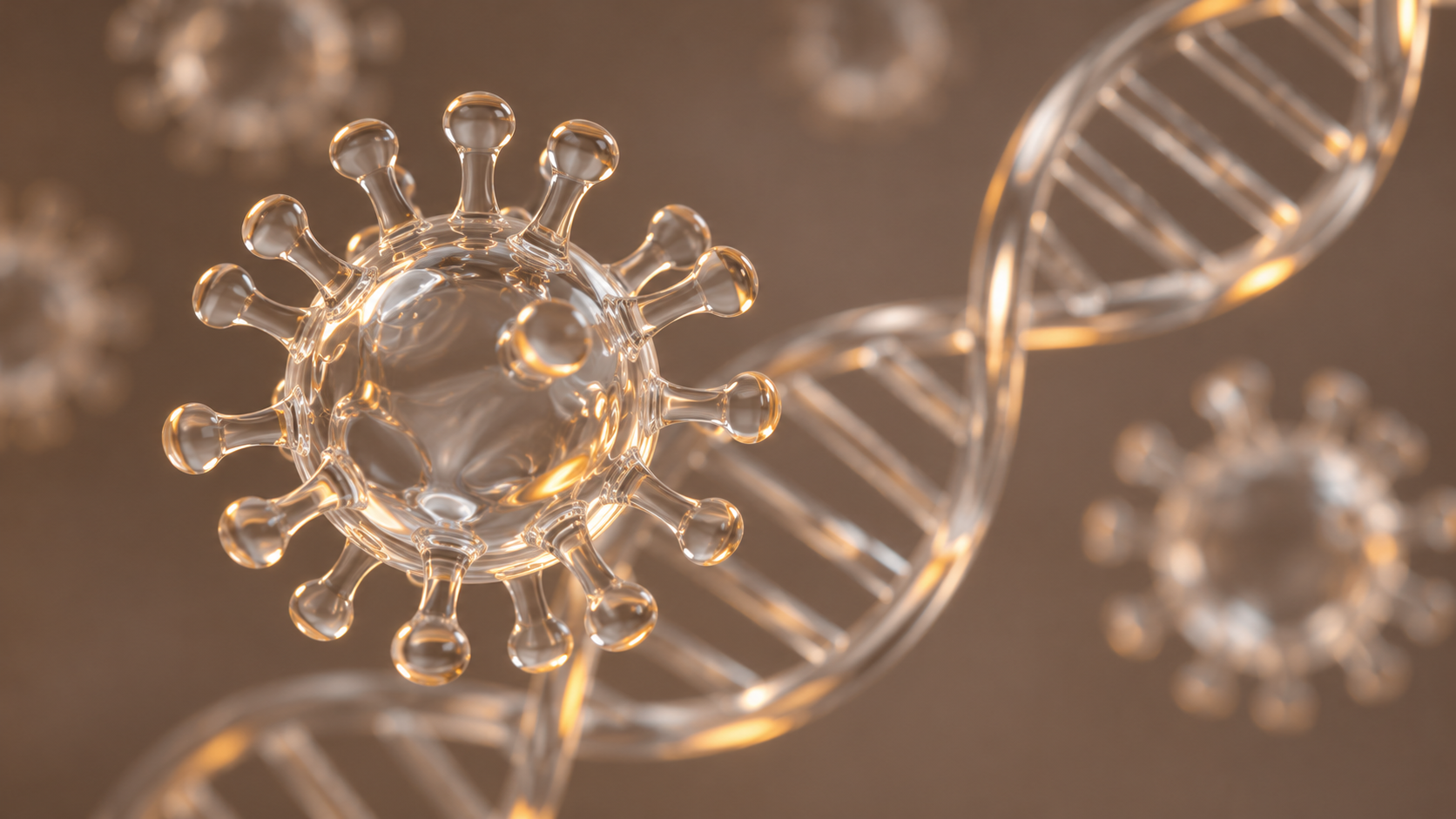
Immunosenescence, or age-related immune decline, is the process of deterioration that causes the immune system to function less effectively. As a result, the body responds more slowly to new pathogens, becomes more susceptible to infection and responds less well to vaccines. This condition doesn't appear suddenly overnight. It's a decline that builds up silently from your working years onward, causing T-cells, the white blood cells that lead the body's targeted immune response, to become noticeably less effective as the years go by.
Interestingly, this condition doesn't just mean your immunity becomes "weaker". It often goes hand in hand with inflammaging, a chronic, low-grade inflammation that gradually increases with age. In other words, the immune system becomes slower to deal with real threats while staying partly switched on all the time. The result is a body that not only protects itself less well but also has to deal with inflammation that erodes your health at the same time. Understanding these two parallel processes is the first step toward restoring your body precisely, in a way that suits a premium lifestyle.
The main cause starts with the thymus, the gland that produces naive T-cells to deal with new pathogens the body has never encountered before. The thymus begins to shrink in childhood and is gradually replaced by fatty tissue. By middle age, the production of new T-cells has dropped significantly, so the body has to rely mainly on older white blood cells that are primarily able to recognize only pathogens they've seen before.
With limited production of new immune cells, the body's defenses weaken with age. The key factors can be summarized as follows:
Your body always has a direct way of signaling that something is wrong. These warning signs often show up as physical changes that are easy to overlook. If you've started noticing recurring problems in your daily life, here are six key signs that your body's defenses urgently need restoring.
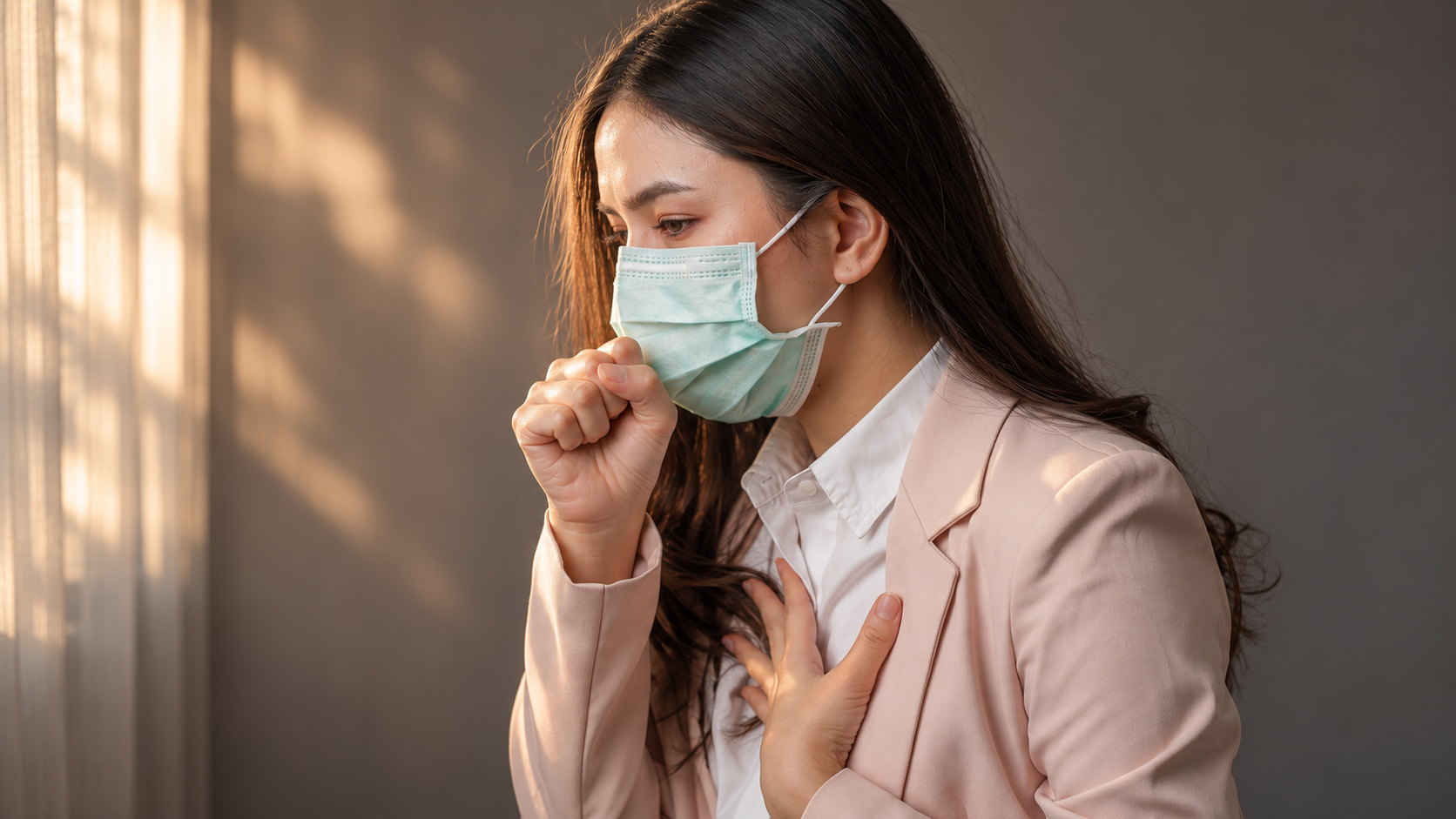
A cold that lingers longer than usual, or one that comes straight back as soon as you've recovered, is the clearest sign that your immunity is declining. When the number of new T-cells in your body falls, it takes longer to recognize and eliminate germs you haven't encountered before. Illnesses that used to clear up in a few days now take much longer to recover from.
Normally, the average adult catches only two to three colds a year. If you get sick more often than this, or a simple cold drags on for weeks, it isn't just an age-related coincidence. It's something important you should start noticing and keeping track of, as a starting point for taking your health seriously again.
Exhaustion that doesn't go away no matter how much you rest may not be caused by overwork alone. When the body is in a state of chronic low-grade inflammation (inflammaging), the immune system is constantly activated. Part of your body's energy is diverted to dealing with these internal problems, leaving you drained during the day even when you haven't done anything strenuous.
Accumulated fatigue can also result from several causes combined, including thyroid problems, anemia or poor-quality sleep. Tiredness you just can't shake is a reflection that your internal systems are out of balance and your energy is being spent in the wrong places, to the point that it disrupts your daily life.
Wounds that take longer than usual to heal are a direct reflection of how well your skin's immune defenses are working. When the cells responsible for cleaning up and repairing tissue slow down, the skin, your first line of defense, begins to weaken. As a result, even small cuts are more likely to become infected and take longer to heal than they used to.
Beyond age, stress is a hidden factor that can slow healing to a surprising degree. Research on people caring for family members with dementia found that those under chronic stress took 24% longer for their wounds to heal completely than others, clearly showing that your state of mind directly affects your body's ability to repair itself.

Your gut doesn't just digest food. It's also a major part of the immune system, accounting for almost 70% of it. How well your digestive system works is therefore directly linked to your ability to fight off disease.
As we age, the balance of microbes in the gut begins to shift and inflammation becomes more likely. An upset stomach, alternating diarrhea and constipation, frequent bloating or bowel habits that have changed from what's normal for you are all signs that your body's internal defenses are losing their balance.
It may sound contradictory that your body becomes more allergy-prone while your immune system is declining, but this is a direct effect of chronic inflammation (inflammaging). When your internal systems are out of balance, the body doesn't just defend against germs less effectively; it also reacts to triggers at the wrong time, causing inflammation where it shouldn't occur.
When aging skin cells continuously release inflammatory substances such as IL-6 and TNF-α, chronic itchy rashes, dry skin that reddens easily, or even allergies that had settled down flaring up again are all clear outward signs of an immune system that isn't working as it should.
Falling ill with the same symptoms, or getting infections in the same spot again and again, shows that your body can't fully clear the pathogens or that the immune defenses in that area have weakened. Recurring symptoms like these are a sign that your body's ability to protect itself has declined.
Common examples include severe sinusitis or pneumonia two or more times a year, recurring boils or deep skin infections, oral thrush that is hard to treat, or even needing antibiotics continuously for months without any improvement.
Shingles is another condition that reflects reactivation of a virus that has been lying dormant in the body. It often takes advantage of moments when the body is weak to resurface, and the risk of developing it also rises with age.
Age is just one variable. It's your everyday lifestyle that is the main factor accelerating immune aging (immunosenescence). In a study in which 164 volunteers were deliberately exposed to the common cold virus, those who slept less than six hours a night were 4.2 times more likely to become infected than those who got a full night's rest. Chronic stress has a similar effect: data from more than 5,700 adults aged 50 and over confirm that high stress levels reduce the number of new immune cells (naive T-cells) and cause cells to age noticeably faster.
Poor nutrition and sitting still for long periods are hidden factors that make white blood cells less able to move to where they're needed to fight germs. Add to this chronic latent infections that most people don't know they have, such as CMV (cytomegalovirus) lying dormant in the body, and the immune system is forced to stay on constant alert until it becomes exhausted.
On the other hand, regular physical activity can help slow this decline. A study of 125 cyclists aged 55–79 found that their thymus glands were still producing new immune cells at levels close to those of young adults. This confirms that lifestyle has a direct impact on keeping your internal systems working efficiently.

The changes that occur in the immune system, whether from age or lifestyle, are complex and hidden deep at the cellular level. Caring for your health to counter this decline can't rely on guesswork or on how you feel on the surface alone.
Optimal health doesn't happen by chance. It comes from building a solid foundation and designing your care meticulously. At Design Wellness, we believe every body is different, which is why our approach to health is never one-size-fits-all.
The restoration process begins with an in-depth assessment, in which Dr. Wimlak Suedee (Dr. Wim), an anti-aging medicine specialist with more than 22 years of experience in integrative healthcare, closely evaluates your health. Dr. Wim analyzes your test results in depth to identify what's going on inside your body and designs a care program that is targeted and tailored specifically to your lifestyle.
One effective approach to restoring declining immunity is nutrient supplementation through an IV drip (IV nutrition) program. As we age, the body's ability to absorb nutrients tends to decline. Delivering vitamins, minerals and antioxidants directly into the bloodstream allows the body to use them right away to repair cells, boost immunity and relieve fatigue. It's one more self-care option that helps you recover faster and get back to living life to the fullest.