Stress Vomiting: A Major Health Warning Sign
อ่านต่อ →
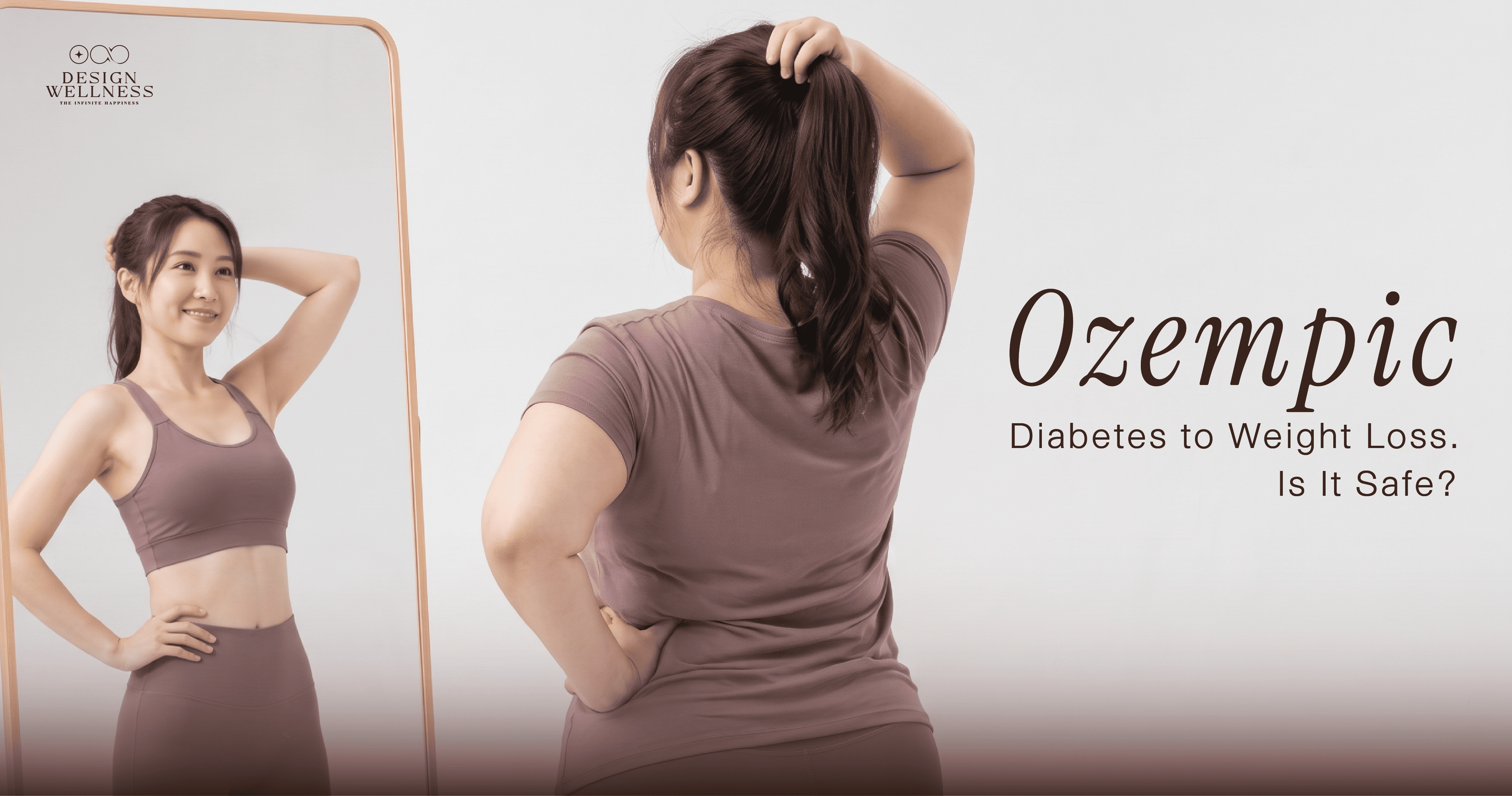
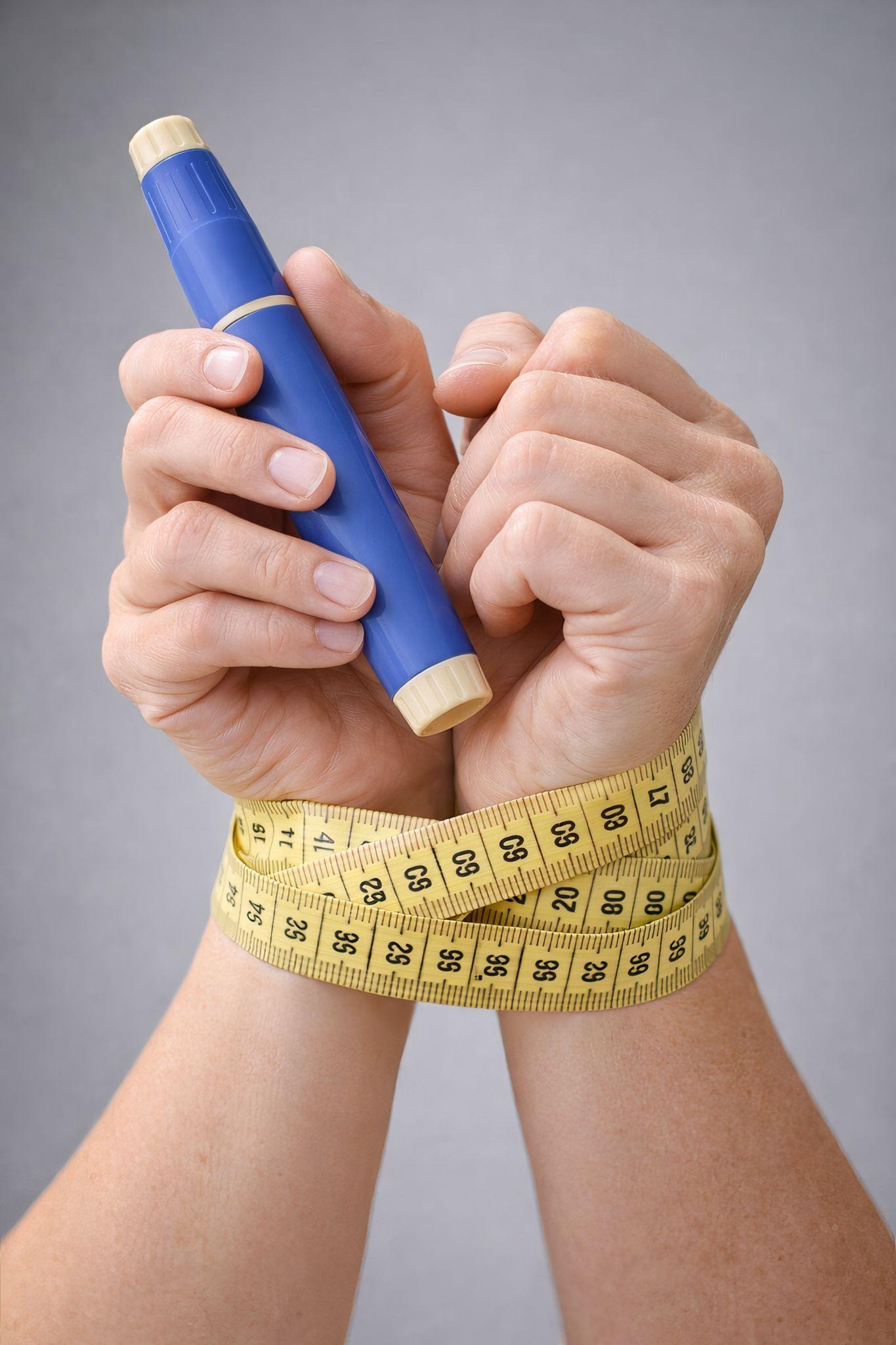
Scroll through social media today and you'll constantly see people whose bodies have transformed seemingly overnight, alongside the term Ozempic, or the weight-loss pen, a term so many celebrities and influencers have embraced that it has become a word-of-mouth phenomenon.
But in reality, Ozempic wasn't invented or approved for weight loss at all — it's a drug developed to control blood sugar in people with diabetes. The more interesting question is: now that society has embraced this drug for something it was never meant for, is it still safe? Follow Design Wellness as we find out.
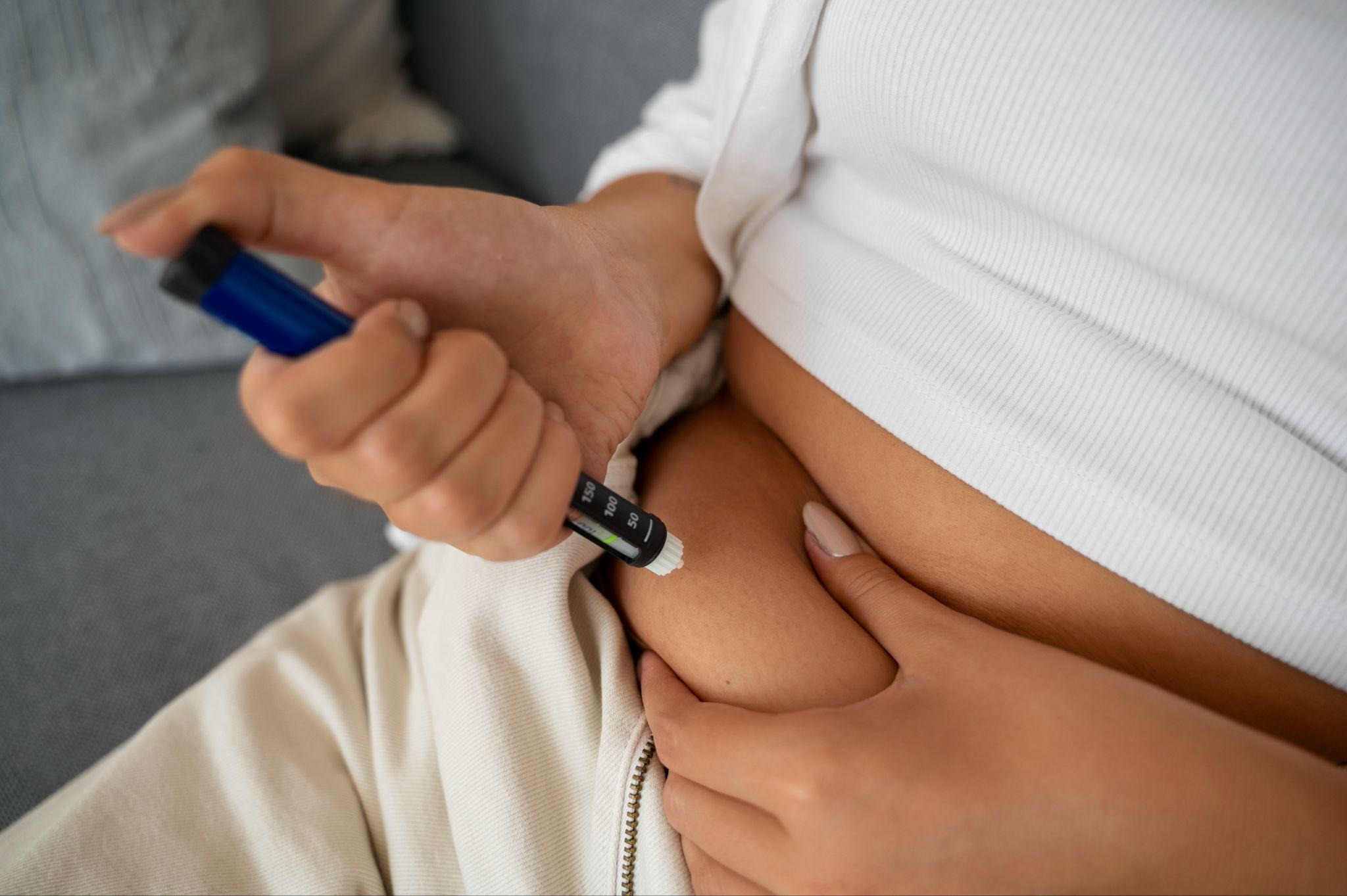
The mechanism behind Ozempic, the weight-loss pen, comes down to its active ingredient, semaglutide, which works by mimicking the hormone GLP-1, a hormone the body naturally releases on its own after eating.
This hormone signals the brain to trigger a feeling of fullness, while also slowing down how quickly food moves through the stomach. The result is reduced appetite and naturally smaller portions, along with steadier blood sugar levels. That's why the medical field first put this hormone to use in treating diabetes — long before it became widely known as a weight-loss aid.
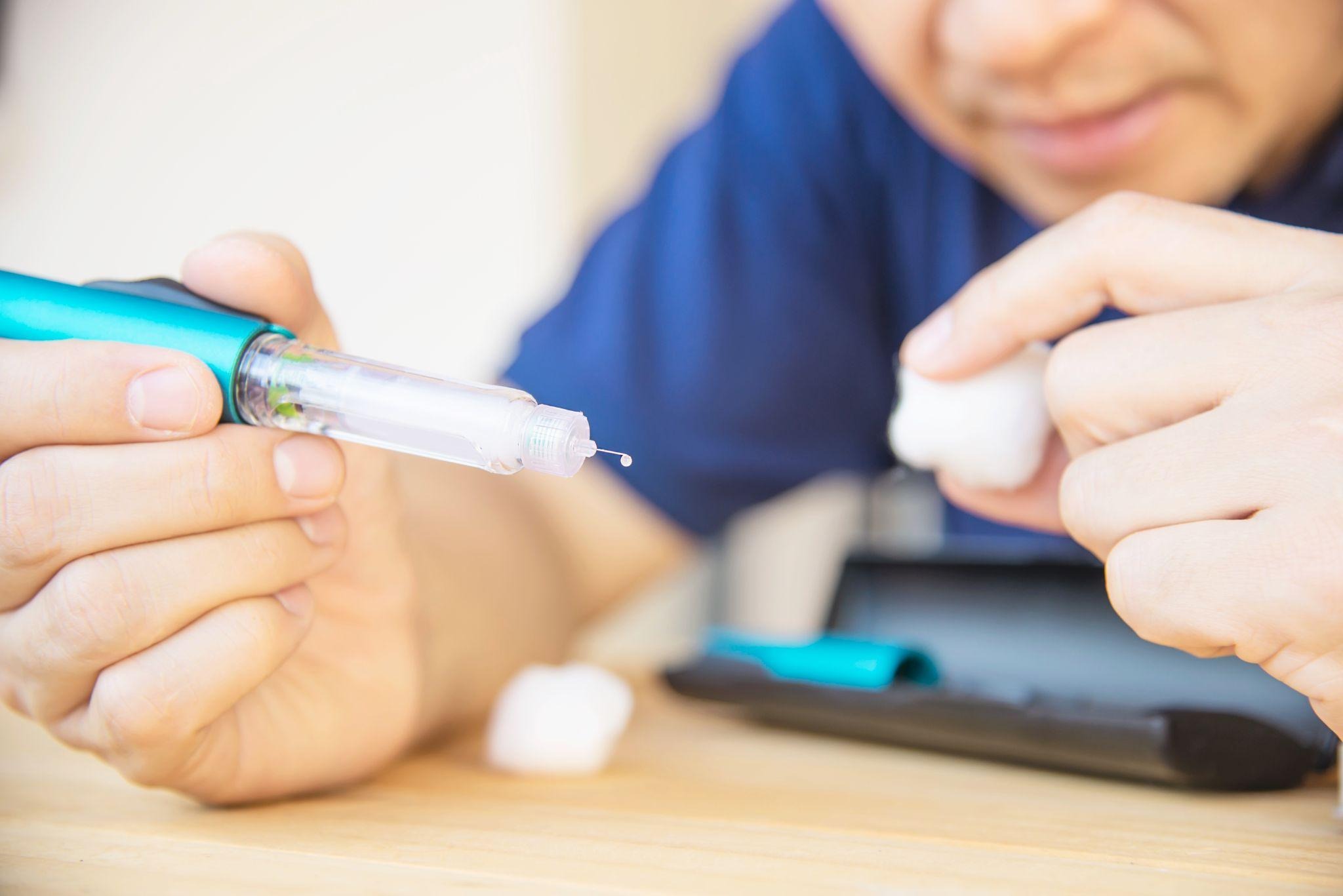
This shift began during clinical trials for diabetes treatment, when researchers noticed something interesting: many patients were losing a noticeable amount of weight and body size, without that ever being the goal.
That small discovery became the spark that led researchers to study semaglutide further, developing it specifically as an innovation for body composition and weight control. It marked a major turning point — one that took a piece of medical innovation originally designed to treat a chronic disease and elevated it into the world of weight loss.
Now that this diabetes innovation has crossed over into the world of weight loss, most people are familiar mainly with the name Ozempic. But in fact, a separate drug was developed specifically for weight loss using the same semaglutide — Wegovy. What sets them apart is the dosage and the approved treatment goal, as follows:
So using Ozempic as an injection for weight loss is technically an off-label use. From a preventive-healthcare standpoint, a decision like this should always go through a physician's assessment of suitability first.
Using Ozempic, the weight-loss pen, for weight loss on your own without a doctor's supervision carries serious risk, since it skips a proper assessment of your physical condition. In fact, Thailand's Food and Drug Administration (FDA) has warned that sourcing the injection and adjusting the dose yourself, just to follow a trend, can lead to unexpected and serious harm — such as acute low blood sugar, pancreatitis, or abnormal kidney function. A drug that acts directly on the body's systems is simply not something to self-administer without a doctor's guidance.

One reality that often gets overlooked is that research results are quite different from the dream image seen on social media. In trials where patients used Ozempic continuously for 40 weeks, body weight dropped by an average of only 6.4%, or roughly 6 kilograms — and that's the result achieved under close medical supervision combined with behavioral changes, not the dramatic overnight drop many people mistakenly imagine.
Before deciding to use this class of drug, whether for medical reasons or for weight control, there are things worth understanding fully first. Ozempic isn't a drug free of effects on the body, and some risks don't show up right away. An individual health assessment is a step you simply can't skip.
In the early stages of treatment, the body commonly signals its adjustment through symptoms like nausea, vomiting, diarrhea, stomach pain, or constipation. These happen because the drug's mechanism slows down how the stomach and intestines function, and most cases gradually improve as the body adapts. But if these symptoms turn severe or last unusually long, that may be a sign the body isn't coping well, and you should consult your doctor right away.
A rapidly dropping number on the scale can make many people overlook the deeper risks hiding underneath. Beyond digestive upset, there are important risks to watch for — thyroid tumors, pancreatitis, gallbladder problems, and abnormally slow stomach emptying. These are silent dangers that shouldn't have to be the price of a temporary change in shape, and it's exactly why preventive healthcare must always prioritize safety through a thorough medical assessment.
Even though the drug is effective as a treatment, that doesn't mean it's right for everyone's body. In particular, people with a family history of certain types of thyroid cancer, a history of pancreatitis, or mothers who are pregnant or breastfeeding should avoid this class of drug entirely. Understanding your limitations and knowing your own health history in detail is the first line of defense in helping you manage your shape safely, without placing a long-term burden on your body.

Most success stories on social media only show the phase where weight is dropping quickly, without ever telling what happens afterward. Because what matters most isn't just the falling number on the scale — it's keeping that weight off for the long term. Without proper planning and behavioral change, a satisfying result can end up being nothing more than a temporary win.
Once you stop the drug, its appetite-suppressing and fullness-inducing effects gradually fade. Without ongoing plans to sustain behavioral change, the weight that was lost is primed to bounce right back. Research has found that people who stop the drug without changing their lifestyle tend to regain nearly two-thirds of the weight they lost, within just a single year. In other words, relying on the drug alone, without building a new foundation for health, means the number on the scale tends to drift back to where it started — or higher.
Beyond the risk of the weight bouncing back, another hidden effect the scale never reveals is that rapid weight loss doesn't come from fat alone — it also comes at the cost of muscle mass and physical strength. Muscle mass functions as a key metabolic furnace, so losing it not only reduces your metabolic efficiency over the long run, but also affects your overall strength and quality of life — something the number on the scale alone can never reflect.

When you weigh the risk of weight regain alongside the muscle mass that's lost, it becomes clear that Ozempic, the weight-loss pen, is not a shortcut that ends the problem with a single injection. It's a medical tool that has to come with a real commitment to your health — adjusting your eating habits, exercising to preserve metabolic muscle mass, and staying under a doctor's continuous care. Because the people looking only for a shortcut, unwilling to change their lifestyle, are always the first to face the rebound.
The more Ozempic's, or the weight-loss pen's, popularity surges, the more the unexpected risks grow along with it. As market demand outpaces genuine supply, the black market and substandard products find it easier to slip in — becoming a silent danger, close to home, that can cause harm even more serious than the drug's own side effects.
To tackle counterfeit drugs and misuse, Thailand's Food and Drug Administration (FDA) has classified GLP-1 injectables as a specially controlled drug that can only be prescribed by a physician. This measure underscores just how risky it is to buy a weight-loss pen through online channels, social media, or middlemen — you run a very high risk of getting a counterfeit, a personally imported (grey-market) product, or one that wasn't stored at the right temperature. So the only way to be sure the drug in your hand is genuine and truly safe is to get it from a licensed medical facility or pharmacy, under a doctor's guidance.
When demand surges so high that it triggers a global shortage, it doesn't just directly affect diabetes patients who genuinely need the drug for treatment — it also opens a loophole for grey-market imports, repackaged partial doses, and products that weren't properly temperature-controlled during shipping, all of which degrade or become contaminated easily. Putting these compromised products into your body doesn't just mean you won't see the results you want — it can also lead to infection or other unexpected side effects.
Because healthcare isn't just about receiving a drug — it's a treatment process that demands the highest safety standards at every step. Getting treated at an accredited medical facility gives you confidence in both the quality and the properly maintained cold chain of a genuine product, along with a thorough physical assessment and blood work from a doctor before you start, and a medical team closely monitoring side effects throughout. That's what lets you reach your body and health goals as safely and sustainably as possible.
The answer is: safe if used for its intended purpose and under a qualified doctor's care. But it becomes unsafe the moment it's turned into a self-administered weight-loss shortcut without a proper physical assessment. Because this innovation acts directly on the hormonal and digestive systems, safety doesn't depend on the drug alone — it depends on your overall health readiness, and on strictly avoiding it in at-risk groups with medical contraindications.

Because sustainable weight loss isn't a matter of chance — it comes from getting the "design" right and precise. And it doesn't end with chasing the number on the scale; it means caring for your metabolism so it stays balanced from within.
At Design Wellness, we focus on personalized care, with every client under the close supervision of Dr. Wimlak Suadee (Dr. Wim), a physician specializing in anti-aging medicine with more than 22 years of experience in integrative healthcare.
Dr. Wim takes in-depth analysis — of your metabolism, hormone balance, and body composition — and uses it to design a weight-management program that combines nutritional adjustments, muscle mass preservation, and safe lifestyle changes, so you can reach the body you want without risking any unexpected harm.

.png)
.png)