Stress Vomiting: A Major Health Warning Sign
อ่านต่อ →
If you ask what the definition of ‘good health’ is, the answer would not be the same for any two people. Some say good health is exercising, eating enough protein, avoiding sugar, and never touching alcohol, while others say good health is being happy, sitting and having a drink with friends, laughing, and relaxing.
Neither view is entirely wrong or entirely right, because the path to good health has no single answer, but is suitable and different for each individual, depending on genetics, lifestyle, and environment. To find that path, you must first understand your own body. The answer to this lies in something called Epigenetics.
But before we get to Epigenetics, let’s adjust our understanding first. Today the social world is full of health formulas that tell you to do this to be well, such as eating keto, doing IF (intermittent fasting), taking ice baths, and so on, and your health will improve. But when you try them yourself, the results aren’t as promised. That is because our bodies are different in ways the naked eye cannot see.
Forcing yourself to follow a ready-made formula without understanding your own body’s mechanisms not only tires you out for nothing but may also harm your health in the long run. So what is good for one person does not guarantee it will always be good for us. We should therefore find what suits us best, through a mechanism called Epigenetics.

Many people may be familiar with the word DNA, or genetics, the biological code we inherit from our parents at birth, passing on traits such as hair, skin color, eyes, and so on. This code is embedded in every one of our cells and cannot be changed, edited, or adjusted.
But our bodies also have another mechanism called Epigenetics, which acts like a switch that turns the function of our genes on and off, deciding which should be on and which should be off, such as switching off genes that pass on hereditary disease, or switching on genes that help repair worn cells to slow aging, without changing or editing our DNA code in the slightest. And we can control these on-off switches ourselves, through 3 main mechanisms:
1. DNA Methylation is when the body adds a chemical called a methyl group onto the DNA strand, which suppresses the function of the genes in that area, helping reduce the risk of various diseases effectively.
2. Histone Modification: normally our DNA wraps around a protein called histone. We can add chemicals or remove certain chemicals to help switch genes on or off, without altering the DNA.
3. MicroRNA Regulation: normally, when a gene gives a command, it must send a message (mRNA) to tell the cell. But the body has molecules called MicroRNA that act like a filter screening messages, intercepting certain messages so they don’t reach their destination, to reduce or prevent that gene from being expressed, while opening the way for messages from good genes, to promote better bodily health.

As we now know, Epigenetics acts like a switch turning genes on and off through its three mechanisms. The question that follows is: what commands the body to adjust these mechanisms? The answer is everything we do and the environment we face every day. Our bodies are constantly recording behavioral and environmental data, and these factors directly influence whether Epigenetics is activated or suppressed, for example:


When Epigenetics is disrupted continuously, the consequences often range from small signals we feel in daily life and grow so used to that we mistake them for normal, such as waking up tired despite a full night’s sleep, brain fog and trouble focusing, or unusual weight gain even though you eat the same as before. These signals are the body’s warning that the Epigenetics mechanism is malfunctioning from how it should be.
When it accumulates over time, the risk of serious disease follows. If Epigenetics is continuously disrupted without correction, the long-term consequences may be more severe than expected. The diseases linked to Epigenetic abnormalities are varied, such as cancer, diabetes, heart disease, depression, and aging.
But the good news is that Epigenetics can change. Even if we start with unfavorable genetics, adjusting our behavior, diet, environment, and mental care can gradually turn the direction of the gene switches back toward working in a way that is good for health.
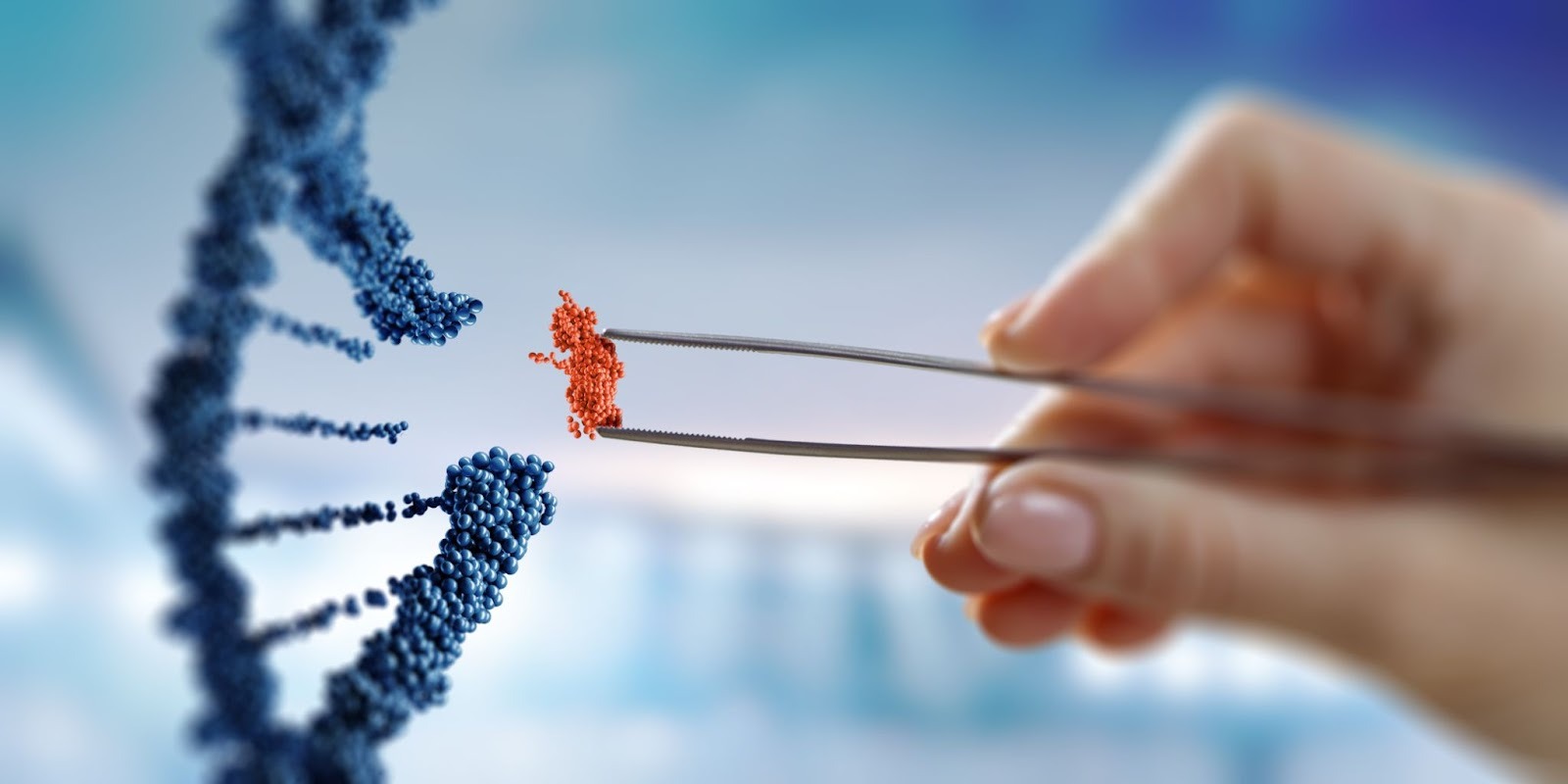
The wonder of Epigenetics does not stop at ourselves, but can also pass on a health legacy to our children and grandchildren. This means that if parents live amid accumulated stress, consume poor-quality food, or are continuously exposed to toxins, these abnormalities may be passed on to their children before they even open their eyes to the world, which may be the answer to why some families tend to have the same chronic diseases across many generations.
But conversely, this is good news for the health-conscious, because good legacies can be passed on too. Caring for yourself today, whether by choosing good food or managing your emotions, is therefore no longer just a personal matter, but lays a strong foundation of health and passes on the most valuable life capital to your children in the future.

Now that we know Epigenetics can be passed on to children, Epigenetics testing is not just about caring for your own health, but about laying a good foundation for those we love. The benefits of testing are many, including:
Today, Epigenetics testing is available at health centers and preventive health clinics. But what should be kept in mind is that Epigenetics testing is not just about knowing numbers or lab results; it is about taking those results to interpret and plan health care that truly fits our own body, which requires specialized expertise to read and analyze.
So if you want accurate, applicable results, you should choose to test with a physician who specializes directly in this area, at Design Wellness with Dr. Wimalak Sueadee, M.D. (Dr. Wim), who has over 19 years of experience as a specialist in anti-aging medicine covering hormone balancing, nutritional therapy, and cell restoration, ready to help you design a well-rounded health plan, for results that are sustainable and best suited to each individual.

For anyone interested in starting to care for their health with Epigenetics at Design Wellness, the testing process is not as complex as you might think. The steps are as follows:

Good health has no fixed, ready-made formula, because everyone has different genetics, lifestyle, and environment. What works for someone else may not always be the answer for you, and forcing yourself to follow something your body doesn’t respond to won’t truly make you healthier.
Epigenetics is therefore not just a fascinating science, but a tool that helps us understand our own body more deeply, what is working, what should be adjusted, and what affects our health in the long term, including the people we love in the future. Because the best health care is not following what others tell you, but care that begins with truly knowing yourself. Start caring for your health today at Design Wellness.

.png)
.png)